About Me
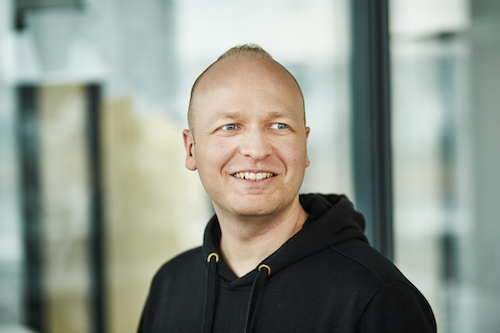
Facts
- Master of Science, Applied Computer Science, Ruhr-University Bochum
- Full Stack Developer, Application Architect
- 10+ Projects since 2013
- Web, Mobile, Backend, DevOps, Cloud Infrastructure
- German / English
Bio
Coding has been my passion since age 12 and my full-time profession since 2013. My technical background as a developer includes a lot of frontend development (TypeScript, Web, Hybrid Mobile), but also backend development (Node, Java, PHP) and cloud infrastructure (CI/CD, Docker, AWS, Serverless, Kubernetes). But my greatest interest has always been in understanding the bigger picture of software engineering and looking at it from different perspectives. Over time, this has made me more of a generalist, with a particular interest in software architecture rather than a specialist in any particular technology stack. Throughout my career, I've worked primarily as a freelancer and for small software agencies. This has allowed me to work with companies of different size on a wide variety of projects.
After years of working on these projects, I began to notice a recurring pattern: The biggest systemic problems were never purely technical. The biggest technical challenges were actually the downstream symptoms of incoherent structures and workflows that produced it. Technical and organizational decisions were made that did not fit together. Teams struggled to make progress, even when the people involved were capable and motivated. No one was to blame. Engineers, leaders, and stakeholders were all operating within systems and incentives that produced these outcomes. As a developer, I could address the technical symptoms, but I had little understanding of how to fix the root cause. People were frustrated by these problems but eventually accepted them as inevitable and outside their possibility to change. "It's a culture problem".
But what does culture actually mean? And more importantly, how can it be changed? These questions motivated me to turn this topic into a consulting business. I stepped away from freelance development for an extended period of time to explore it more deeply. Along the way, I discovered a field that had long interested me but that I hadn't expected to become so central to my work: Psychology. I began exploring the research and evidence-based practices that help explain why teams behave the way they do, why organizational dysfunction persists, and how the conditions for better collaboration and decision-making can be created.
Then AI began transforming the software industry and left everyone confused and in loud disagreement about the future of the software industry as a whole. I was unsure as well: Does culture still matter when AI changes how software is built? However, the path become clear when I read the DORA 2025 report which stated that AI adoption can backfire and become an amplifier of organizational dysfunction and how AI could create localized pockets of productivity that do not contribute to the whole. AI can't save the culture problem and potentially makes it worse. And I decided that I want to dedicate my work to this problem.